Faster product development does not automatically mean faster production. Learn how tooling, FEA, testing, suppliers, fixtures, and manufacturing engineering help turn design changes into reliable production.
New equipment creates potential capacity. Engineering readiness turns designs, tooling, validation, material handling, and technical resources into repeatable production.
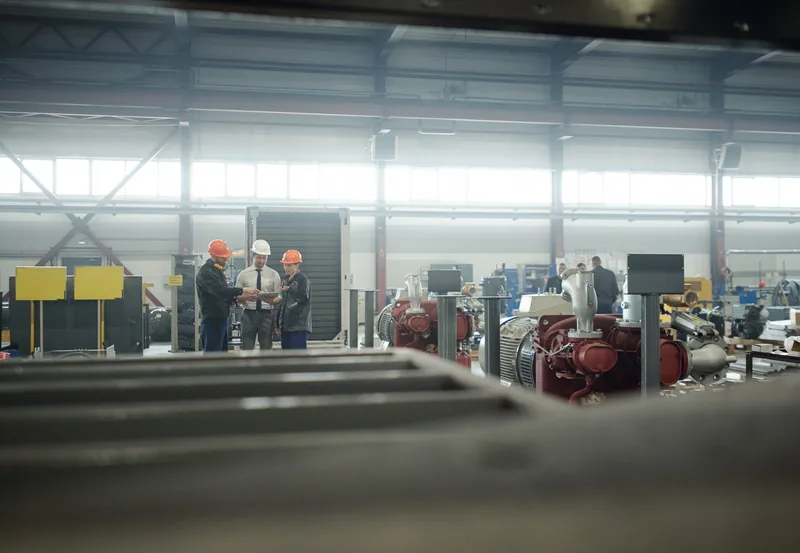
Manufacturing readiness connects product design, FEA, tooling, fixtures, testing, material handling, and production support so industrial investments can become reliable manufacturing processes.
Reshoring is creating new engineering challenges. Learn how design reviews, FEA, tooling, fixtures, testing, and manufacturing support help companies move production closer to home.
Before investing in automation, manufacturers should make sure tooling, fixtures, material handling, and validation are ready to support a repeatable production process.
Automation is not only about robots and software. For many manufacturers, the best place to start is the physical work that is hard to staff, hard to repeat, or hard on employees.
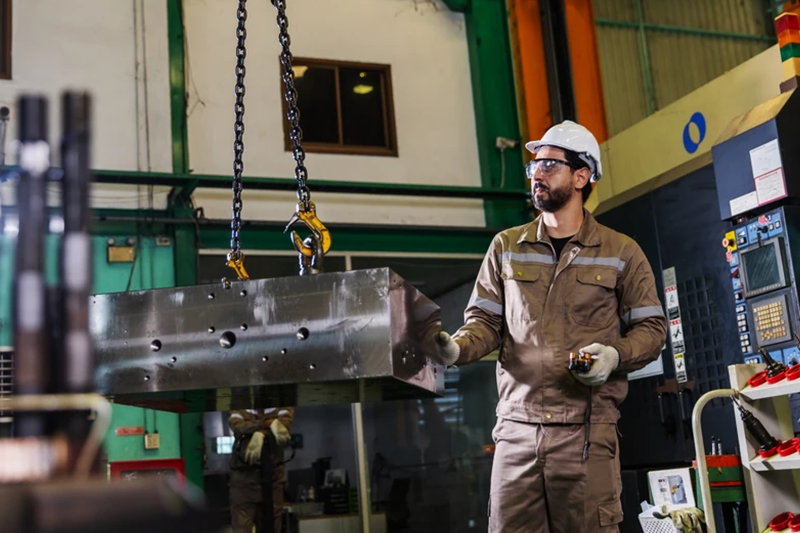
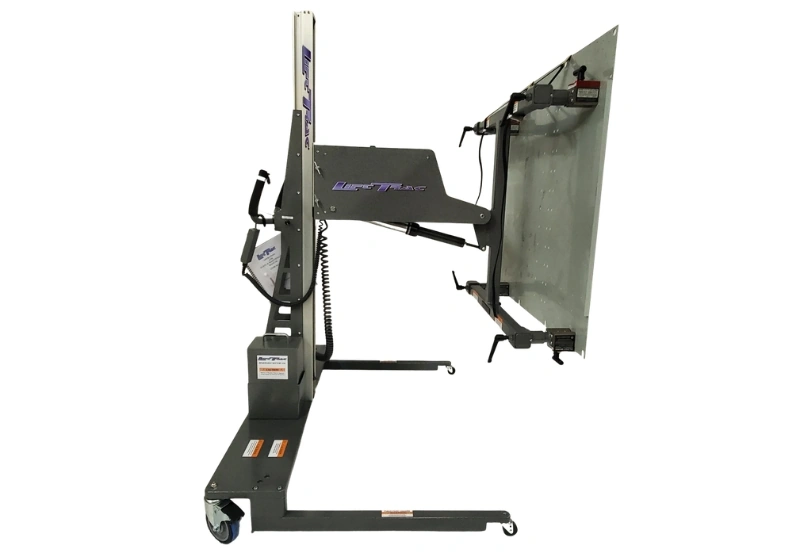
Engineered material handling helps manufacturers reduce ergonomic risk, improve safety, and move heavy loads more reliably with custom lifting devices, fixtures, and validated equipment.
FEA and physical testing help manufacturers validate designs before production. Learn why simulation and real-world testing work best together to reduce risk, improve safety, and avoid costly rework.
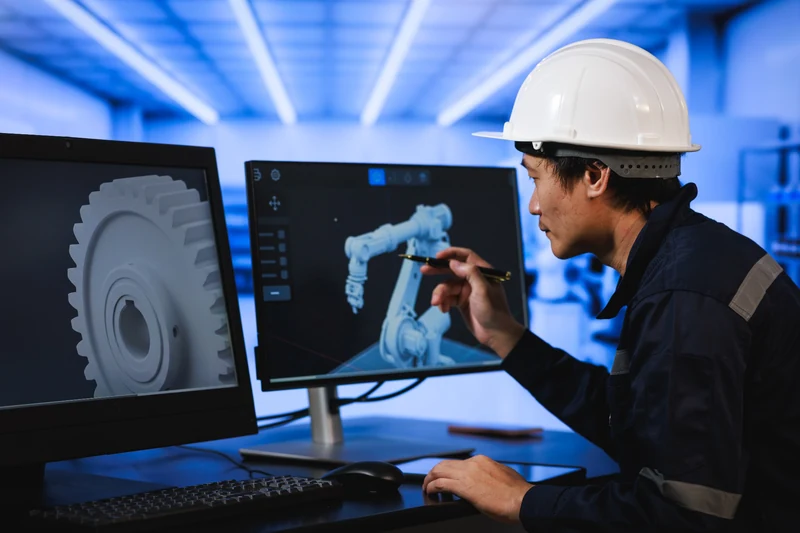
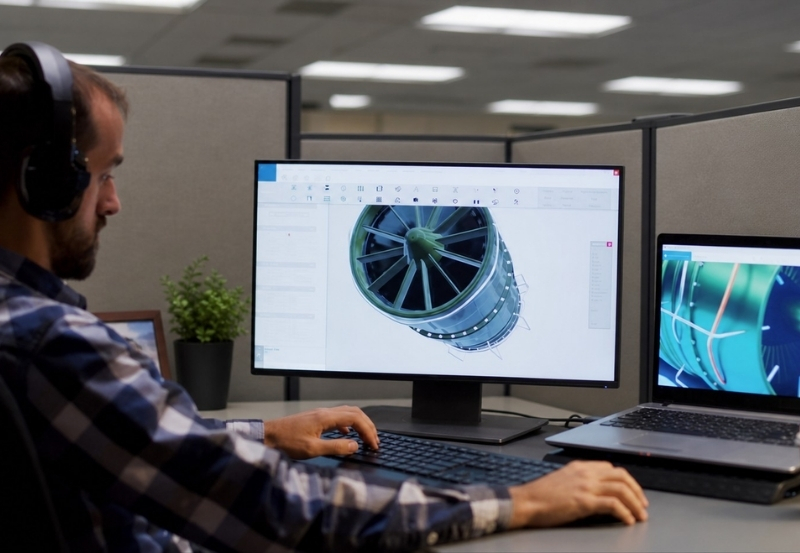
Discover how AI in mechanical engineering helps engineers accelerate design, improve CAD workflows, and solve manufacturing challenges without replacing human expertise.