
Taking down a massive Ferris wheel is far more than a demolition project. It requires detailed engineering analysis, structural planning, safety considerations, and coordinated execution. In this article, ENSER Corporation shares insights into the engineering strategies, logistical challenges, and technical expertise involved in dismantling one of the East Coast’s largest Ferris wheels, showcasing the value of experienced engineering and manufacturing support for complex projects
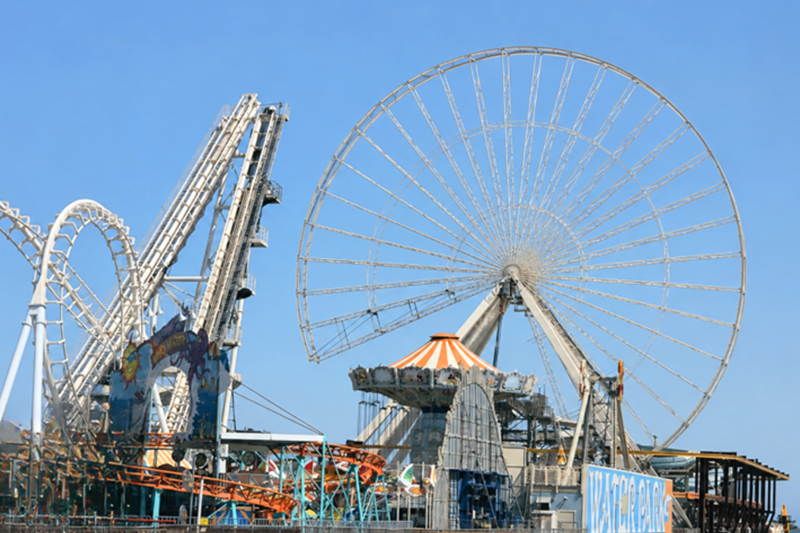
If you’ve spent summers on the Jersey Shore, chances are you’ve spotted the Giant Wheel towering above the boardwalk at Morey’s Piers in Wildwood. Standing approximately 156 feet tall, it has been part of the Wildwood skyline for decades and remains one of the largest Ferris wheels on the East Coast.
For many families, the Giant Wheel is more than just a ride. It is part of the Shore tradition, from boardwalk photos and summer nights to panoramic views stretching from the beach to the bay.
So when news broke that the wheel was coming down for refurbishment, it naturally caught people’s attention. For most visitors, the reaction was nostalgia. For others, it raised a different question: What actually goes into taking apart, refurbishing, and rebuilding a structure of that size safely?
That question is what led ENSER’s engineering team to weigh in on the mechanical engineering considerations behind a project of this scale.
While ENSER was not involved in this specific project, many of the engineering concepts involved strongly connect to the type of work our teams support every day through mechanical engineering, lifting solutions, tooling and fixtures, and manufacturing support.
More Than Just “Taking It Apart”
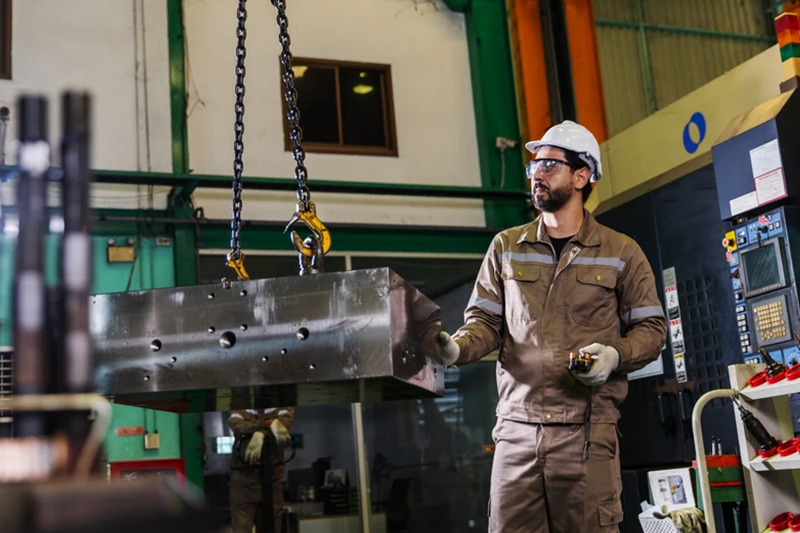
At first glance, removing a Ferris wheel might seem straightforward. Projects involving structures of this scale require careful planning, structural analysis, sequencing, and field coordination long before the first section is removed. For engineers, the challenge is not simply taking components apart. It is understanding how the structure behaves as weight distribution, balance, and loading conditions change throughout every stage of the process.
Projects like this can involve evaluating:
- Structural loading and stability
- Component sequencing and safe removal methods
- Safety factors and worker access
- Transportation and handling logistics
- Material condition, fatigue, and long-term wear
Safety Standards Continue to Evolve
Diving deeper into equipment safety requirements, many design solutions that were once considered more than adequate at the time of original installation may no longer meet today’s engineering expectations and enforceable standards.
Modern engineering review processes are far more comprehensive than they were decades ago, and supporting documentation for safe design is now typically expected to be readily available for evaluation and inspection. The old mindset of “just overbuild it” is largely outdated and financially impractical by today’s standards. Instead, engineers rely on calculated safety factors, detailed analysis, material data, and operational loading considerations to balance safety, reliability, performance, and cost.
If equipment remains in service undisturbed, it may continue operating under regular inspections for wear, corrosion, and environmental deterioration without requiring a complete engineering reevaluation. However, major refurbishments and disassembly projects often create an opportunity to revisit original designs using modern engineering standards and analysis methods.
Safety factors also vary significantly depending on the application. High-duty-cycle Below-the-Hook lifting devices commonly require minimum safety factors of 3:1 or greater depending on loading conditions and usage requirements. Other industries may operate under entirely different design philosophies based on operational priorities such as weight, efficiency, or performance.
And yes, engineers still occasionally joke about the old rumor that amusement ride engineers use a 0.9:1 safety factor. Probably not true, but it is amusing to think about.
Engineering Doesn’t Stop at Removal
The refurbishment side of a project like this is just as important as the teardown itself. Large rotating structures exposed to years of outdoor conditions experience wear from weather, corrosion, vibration, operational loading, and environmental stress. Refurbishment projects often involve detailed inspections, component replacement, alignment checks, structural evaluations, and mechanical system upgrades designed to extend operational life and improve long-term reliability.
In many ways, this mirrors the challenges manufacturers and industrial facilities face every day with critical equipment and infrastructure.
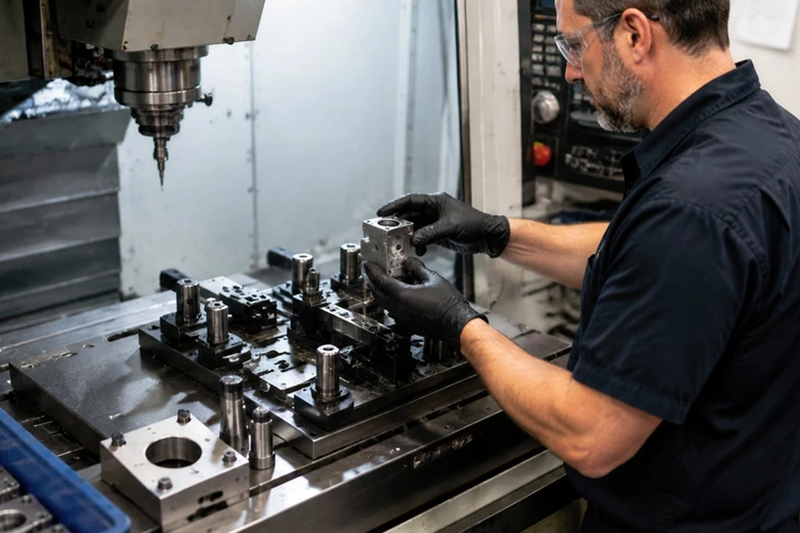
Projects like this also highlight the importance of custom tooling, engineered fixtures, fabrication support, and field coordination. Whether supporting industrial maintenance, manufacturing operations, or large-scale equipment servicing, engineering teams often need to create solutions around the equipment itself rather than relying on standard off-the-shelf approaches.
Many of these same concepts can be seen across ENSER’s custom engineering and manufacturing projects through our Our Work portfolio, where servicing accessibility, lifting considerations, fabrication support, and long-term equipment performance all play a role in successful project execution.
Similar Engineering Challenges Across Industries
The concepts behind a project like the Giant Wheel are not limited to amusement rides.
At ENSER, we regularly support projects involving large-scale equipment, custom tooling, lifting solutions, and servicing challenges where downtime, safety, and accessibility are major concerns.
One example is ENSER’s work with Drax Group, where a large piece of equipment traditionally needed to be removed and shipped off-site for servicing. The process was costly, time-consuming, and operationally disruptive.
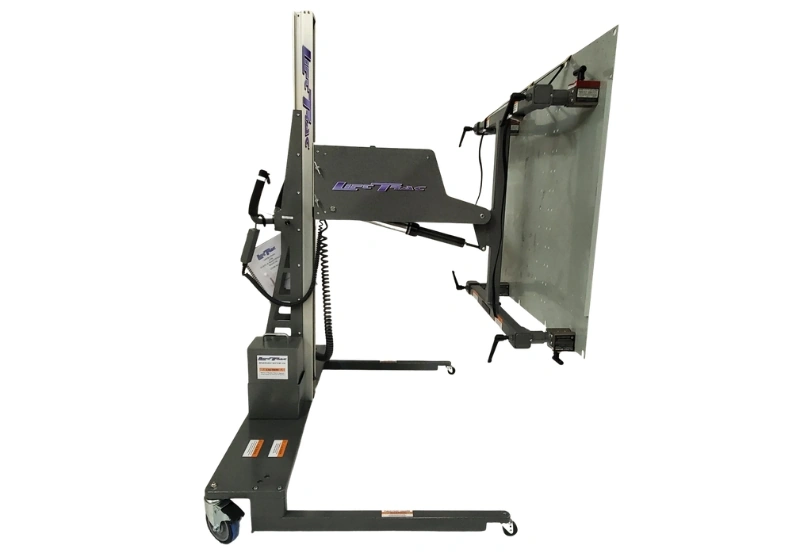
ENSER designed custom powered rollers that allowed the equipment to be serviced on-site instead. By engineering a practical handling solution around the equipment and facility constraints, the project helped reduce downtime, improve serviceability, and lower operational costs.
That same engineering mindset applies across many industries:
- Understanding how large equipment moves and behaves
- Designing around servicing and accessibility
- Improving safety and efficiency
- Reducing unnecessary handling and downtime
- Supporting real-world field conditions
Whether it is a Ferris wheel on the Jersey Shore, industrial equipment in a manufacturing facility, or large rotating systems in power generation, the engineering principles are often more connected than people realize.
Engineering Is Hidden in Plain Sight
For most people walking the boardwalk this summer, the Giant Wheel is simply part of the Shore experience. But behind every large structure, ride, or industrial system is an enormous amount of engineering, planning, coordination, and field expertise that most people never see.
Projects like this are a reminder that engineering exists everywhere around us, from the rides we grew up with on the Jersey Shore to the manufacturing and industrial systems that keep businesses moving every day.
At ENSER, that combination of engineering expertise, practical problem-solving, and real-world field support is exactly what drives the work we do every day.