
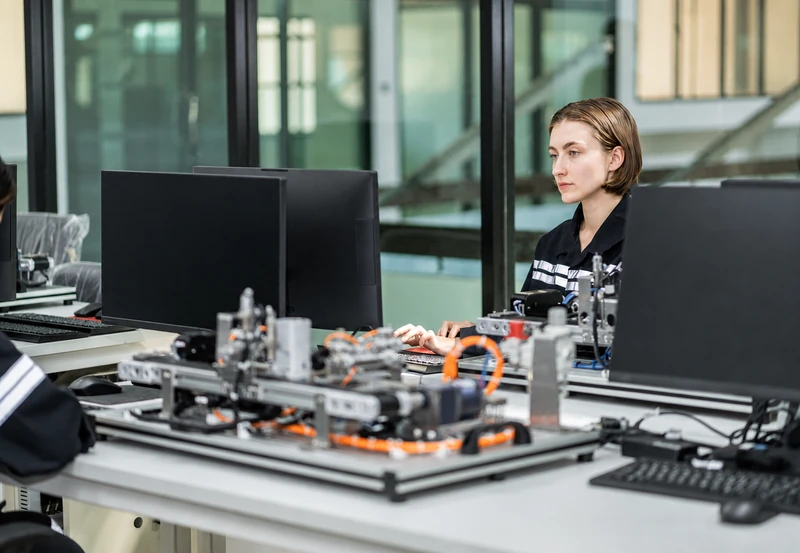
A manufacturer is preparing to launch a new production process. The equipment looks good in CAD. The fixture appears to hold the part correctly. The lifting device is designed to move the load safely. The automation sequence makes sense on paper.
Then installation begins.
A clearance issue appears. A fixture needs to be modified. A load is harder to position than expected. Operators need more room to work safely. A part transfer that looked simple in the design review creates a bottleneck on the floor.
These are the kinds of problems manufacturers want to find before steel is cut, equipment is installed, or production time is disrupted.
That is where virtual commissioning is becoming increasingly valuable.
What Is Virtual Commissioning?
Virtual commissioning is the process of reviewing, testing, and validating a manufacturing system in a digital environment before it is physically built or installed.
In more advanced applications, it may involve digital twins, automation logic, robotics simulation, or machine sequencing. But for many manufacturers, the practical value is much more direct:
- Will the equipment fit the available space?
- Can the operator safely access the workstation?
- Does the fixture properly locate and support the part?
- Will the lifting device handle the load as intended?
- Are there clearance, reach, or interference issues?
- Will the process create a bottleneck?
- Can the design be fabricated, assembled, and maintained efficiently?
Virtual commissioning helps answer these questions earlier in the project, when changes are easier and less expensive to make.
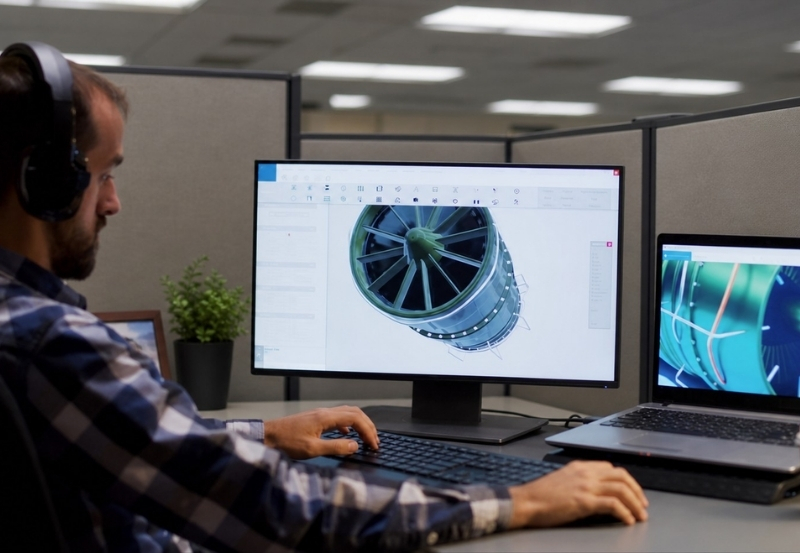
Virtual commissioning combines CAD models, engineering simulation, control logic, and digital twin technologies to create a realistic representation of a manufacturing system. Engineers can evaluate machine movement, tooling interactions, material flow, ergonomics, and structural performance before fabrication begins.
Why Manufacturers Are Paying Attention
Manufacturing projects are becoming more complex. Companies are dealing with tighter timelines, higher quality expectations, labor constraints, safety concerns, and increasing pressure to automate where it makes sense.
At the same time, many manufacturers are not looking for technology for technology’s sake. They need practical engineering solutions that reduce risk and help production run better.
Virtual commissioning supports that goal by helping manufacturers:
- Identify design problems before fabrication
- Reduce costly rework and field modifications
- Improve communication between engineering, production, and maintenance teams
- Validate tooling, fixtures, and handling methods earlier
- Improve operator safety and ergonomics
- Shorten installation and startup timelines
- Reduce disruption to active production environments
The real value is not simply that the system is "digital". The value is that engineering decisions can be tested earlier, before they become expensive problems on the plant floor.
Where This Applies Beyond Automation
Virtual commissioning is often discussed in the context of robotics and automated production lines, but its value is not limited to large automation projects.
For many manufacturers, it can be useful when developing:
- Custom tooling and production fixtures
- Below-the-hook lifting devices
- Material handling solutions
- Industrial carts and positioning equipment
- Testing and validation fixtures
- Custom fabricated equipment
- Assembly and inspection workstations
- Product development and prototype support
In each case, the goal is the same: validate the design, reduce uncertainty, and improve the likelihood that the final solution works as intended.
Engineering Still Comes First
Digital tools can help manufacturers see problems earlier, but they do not replace engineering judgment.
A successful virtual review still depends on understanding loads, tolerances, materials, operator interaction, fabrication constraints, safety requirements, and the realities of the production environment.
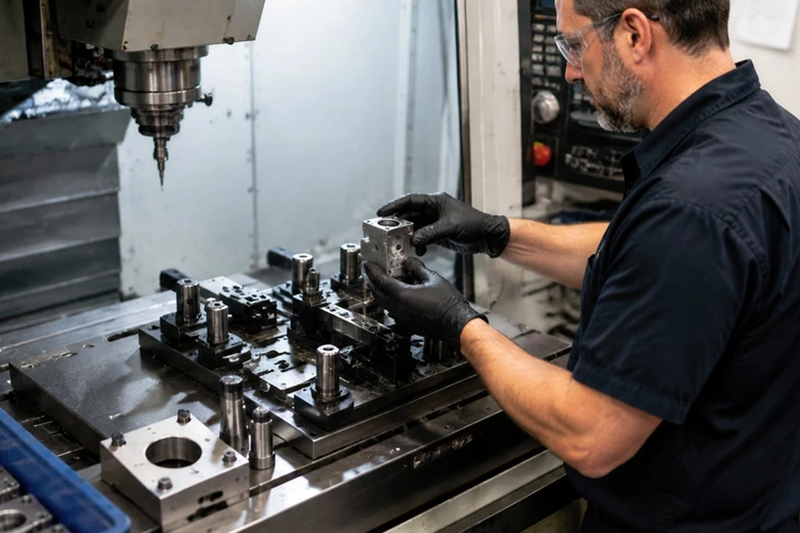
For example, a lifting device may look correct in a model, but the engineering team still needs to evaluate structural performance, deflection, safety factors, load paths, and how the device will actually be used. A fixture may appear functional, but the team still needs to consider repeatability, access, clamping, maintenance, inspection, and ease of use.
This is why virtual commissioning works best when it is paired with practical manufacturing experience.
How ENSER Helps Manufacturers Reduce Risk
ENSER works with manufacturers that need more than a concept or a model. They need engineered solutions that can be built, validated, and used in real production environments.
Our team supports projects involving:
- Custom tooling and fixture design
- Below-the-hook lifting devices
- Material handling equipment
- Finite Element Analysis and structural validation
- Testing equipment
- Product development
- Turnkey manufacturing support
By combining engineering analysis, practical design experience, and manufacturing knowledge, ENSER helps customers identify potential issues before they become production problems.
That may mean validating a fixture before fabrication, reviewing a lifting device before it is placed into service, evaluating material handling challenges before equipment is built, or helping a customer improve a process before it affects safety, quality, or throughput.
The Bottom Line
Virtual commissioning is becoming essential because manufacturers cannot afford to discover major problems late in the project.
When design issues are found after fabrication or installation, the result is often rework, delays, downtime, and added cost. When those issues are identified earlier through engineering review, simulation, and digital validation, manufacturers can make better decisions with less risk.
The future of manufacturing will include more automation, more simulation, and more connected digital tools. But the foundation remains the same: good engineering applied to real manufacturing problems.
For manufacturers planning new tooling, fixtures, lifting devices, material handling systems, or production equipment, virtual commissioning offers a practical way to reduce risk before fabrication begins.
Planning a new manufacturing system, custom fixture, lifting device, or production process?
Contact ENSER to learn how our multidisciplinary engineering team can help validate your project through engineering simulation, FEA, custom design, and turnkey manufacturing support before fabrication begins.