
Manufacturing safety extends beyond personal protective equipment and
training programs. Many workplace injuries can be traced back to repetitive
manual material handling tasks performed throughout the workday. This article
explores the risks associated with manual material handling, the benefits of
ergonomic lifting equipment, and how customizable material handling solutions
can help manufacturers improve workplace safety while supporting productivity
and operational efficiency.
Introduction
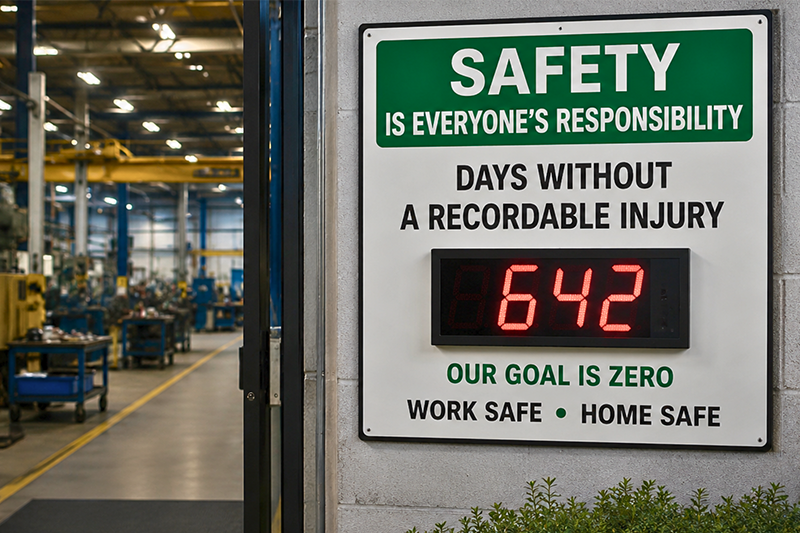
That sign hanging in your facility isn't just counting days. It's measuring productivity, morale, downtime, insurance costs, and the health of your workforce. I would change this to that.
Yet one of the most common causes of workplace injuries in manufacturing continues to be something employees do hundreds of times each day: manually lifting, moving, and positioning materials.
While safety training and workplace procedures remain essential, improving material handling processes can help reduce workplace risks while supporting a safer and more efficient operation.
Understanding the Risks of Manual Material Handling
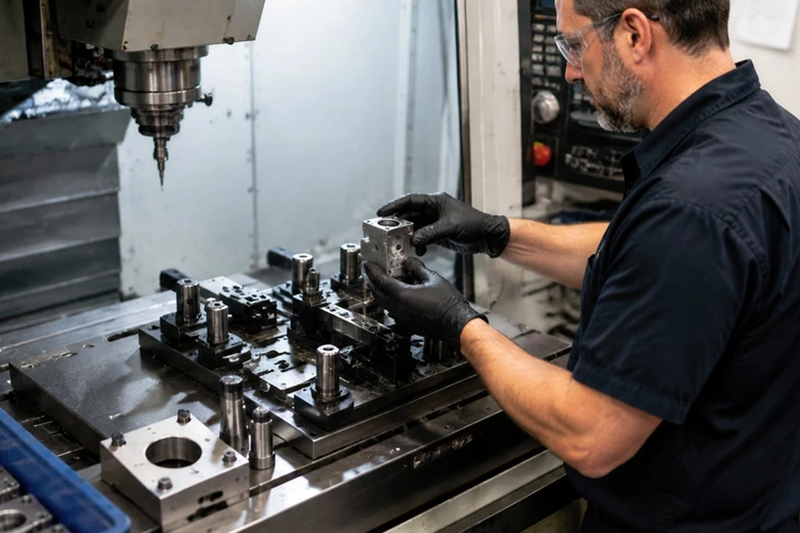
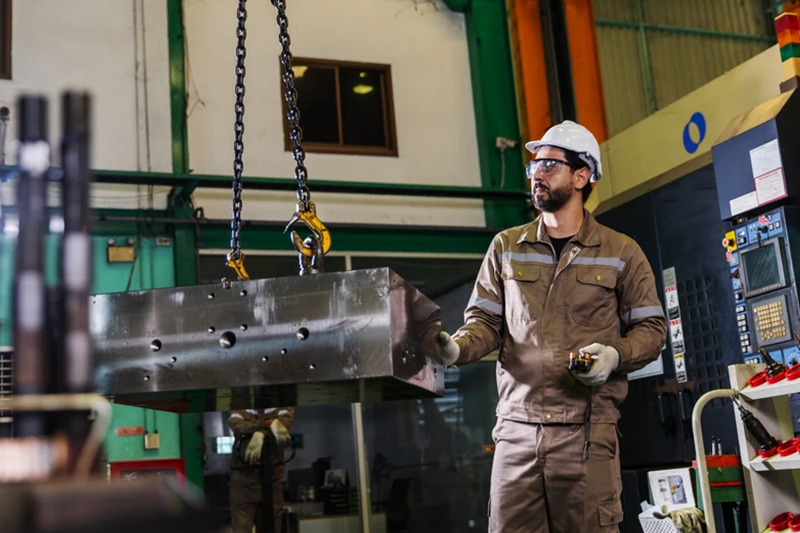
Manual material handling includes lifting, carrying, transporting, and positioning materials during manufacturing operations. These routine activities are essential to production but can create physical demands that increase over time.
Common manufacturing task include:
- Loading and unloading machinery.
- Moving materials between workstations.
- Positioning components during assembly.
- Handling containers and finished products.
- Transporting materials throughout the facility.
Although individual tasks may seem manageable, repetitive movements, awkward lifting positions, and frequent handling can contribute to operator fatigue and increase workplace safety risks.
The Role of Ergonomic Material Handling
Ergonomic material handling focuses on reducing unnecessary physical strain while improving the efficiency of everyday operations. Mechanical lifting and positioning equipment can help employees safely raise, lower, transport, and position materials with greater control and precision. Rather than requiring operators to adapt to physically demanding tasks, ergonomic solutions help adapt the process to the operator.
Manufacturers often incorporate ergonomic lifting equipment into:
- Assembly operations.
- Machine loading and unloading.
- Packaging and shipping.
- Warehousing and distribution.
- Production support and material transport.
By reducing repetitive lifting and awkward positioning, manufacturers can help improve workplace safety while supporting productivity.
Commong LiftTrac Applications in Mannufacturing
Ergonomic material handling equipment can support a variety of manufacturing environments and workflows. Common LiftTrac applications include:
- Transporting materials between workstations.
- Loading and unloading machinery.
- Handling rolls, containers, and packaged products.
- Supporting assembly operations.
- Positioning components for inspection or fabrication.
- Moving products through packaging and shipping areas.
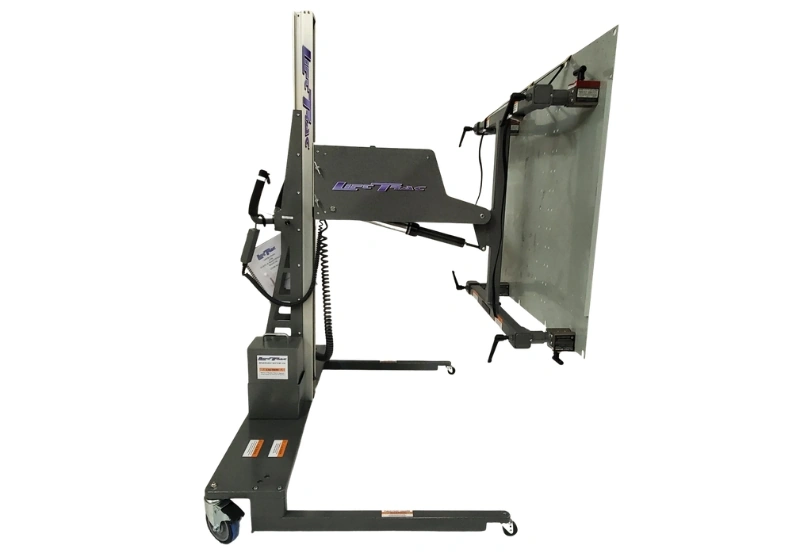
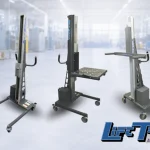
Because LiftTrac equipment can be configured with interchangeable attachments including forks, booms, platforms, roll handlers, and specialized end effectors, manufacturers can adapt a single platform to multiple material handling tasks throughout their facility. This flexibility helps reduce the need for multiple dedicated pieces of equipment while supporting safer workflows.
Why Flexibility Matters in Modern Manufacturing
No two manufacturing operations are exactly alike. Different products, workflows, and production environments require material handling solutions that can adapt to changing demands.
LiftTrac ergonomic lifting equipment is designed to support a variety of industrial applications through customizable configurations and interchangeable attachments. Forks, booms, platforms, roll handling options, and specialized attachments allow manufacturers to tailor equipment to their specific processes.
Instead of forcing operations to fit a standard solution, customizable material handling equipment helps facilities improve safety and efficiency while meeting unique production requirements.
Safey and Productivity Go Hand in Hand
Workplace safety and manufacturing productivity are closely connected.
When ergonomic material handling solutions are incorporated into daily operations, manufacturers can often achieve:
- Reduced operator fatigue.
- Improved workflow efficiency.
- Better material positioning.
- Increased productivity.
- Enhanced workplace safety.
Investing in ergonomic lifting equipment is not simply a safety initiative. It is a practical way to support employees while improving overall operational performance.
Conclusion
Manufacturing safety is built through the decisions companies make every day.
While training programs and workplace policies remain important, evaluating repetitive material handling tasks can uncover opportunities to reduce physical strain and improve operational efficiency.
Ergonomic material handling equipment provides manufacturers with practical solutions for lifting, positioning, and transporting materials more safely. By integrating smarter material handling strategies into everyday operations, facilities can help reduce workplace risks while supporting productivity and long-term success.
Create a Safer Material Handling Process
LiftTrac ergonomic material handling solutions are designed to help manufacturers improve workplace safety, reduce repetitive lifting, and support more efficient production environments.
Learn how customizable LiftTrac lifting and positioning equipment can help create a safer, more productive manufacturing operation. With interchangeable attachments, specialized end effectors, and configurable solutions designed for a variety of applications, LiftTrac helps manufacturers improve safety, efficiency, and productivity throughout their facility.