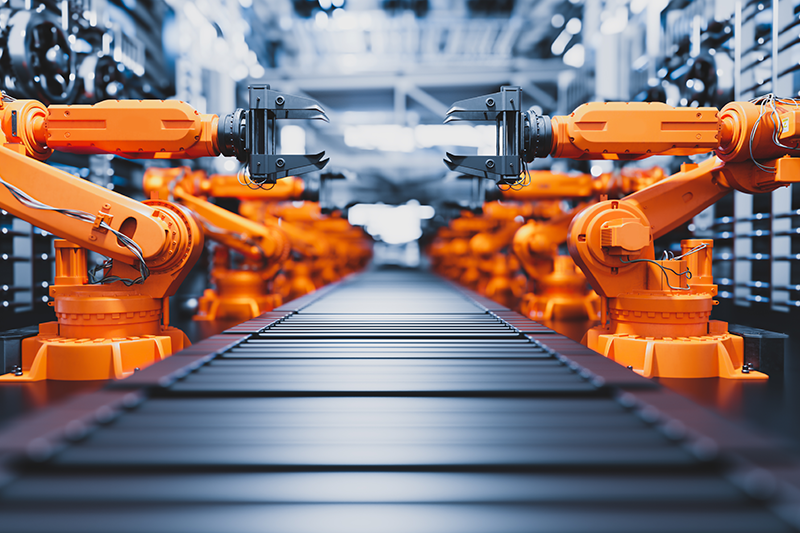
Industrial automation is one of the most active conversations in manufacturing today. Companies are evaluating robotics, AI-enabled systems, digital twins, smart sensors, machine vision, automated inspection, and connected production equipment. The demonstrations can be impressive. A robot picks a part. A digital model simulates a process. A machine vision system identifies a defect. An AI tool predicts a production issue before it happens. But manufacturers are not investing in automation because it looks impressive in a demo. They are investing because they need measurable results. They need safer processes, better throughput, improved quality, reduced downtime, lower labor strain, and more reliable production. That is where industrial automation ROI becomes the real question. The difference between an automation concept and a successful factory-floor implementation often comes down to engineering. Before a manufacturer can capture value from automation, the physical process needs to be understood, controlled, validated, and supported.
Automation ROI Starts with the Manufacturing Problem
Successful automation does not begin with equipment selection. It begins with a clear understanding of the manufacturing problem. A manufacturer may be trying to solve one or more challenges:- Operators are manually lifting or positioning heavy parts
- A production step varies from shift to shift
- Inspection results are inconsistent
- Setup time is slowing throughput
- Parts are difficult to hold, locate, or align
- A process creates safety or ergonomic concerns
- Quality issues are causing rework or scrap
- Material flow is creating bottlenecks on the floor
Why Automation Projects Struggle to Scale
Many automation projects work well in a controlled demonstration but struggle when they move into real production. The factory floor introduces variables that a demo environment may not include. Parts may not arrive in the same orientation every time. Operators may need access that was not considered during design. Fixtures may not hold the product consistently. Equipment may interfere with maintenance activities. A process may require more flexibility than the automation system allows. Common reasons automation projects struggle include:- Inconsistent part presentation
- Poor fixture or tooling design
- Incomplete understanding of operator workflow
- Limited space around the production area
- Unclear loading, unloading, or material handling requirements
- Lack of engineering validation before implementation
- Insufficient planning for maintenance and adjustability
- Mismatch between the automation system and the actual production mix
Tooling and Fixtures Create the Repeatability Automation Requires
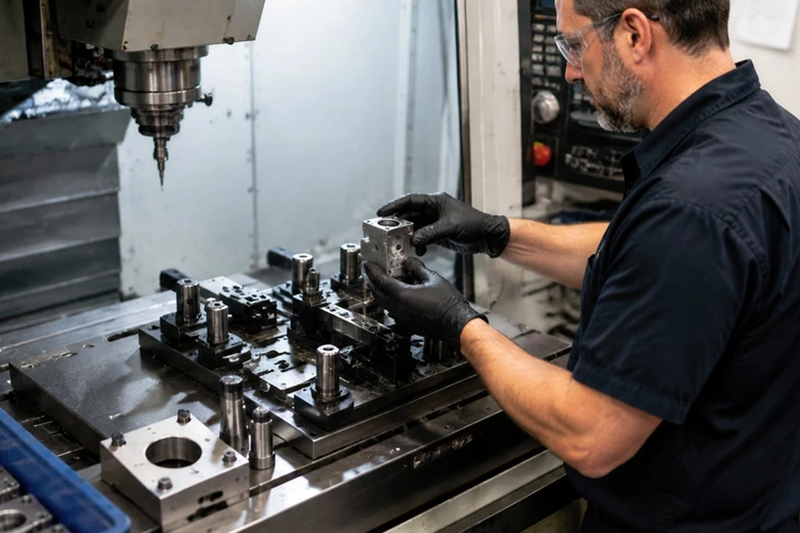
Automation depends on repeatability. A robot, inspection system, or automated production cell can only perform reliably when the part is consistently located, supported, and presented. If the process depends on manual adjustment or operator judgment at every cycle, automation becomes harder to justify and harder to maintain. This is where engineering services and custom tooling become critical. Custom tooling and fixtures help manufacturers control the physical process by:- Holding parts in a repeatable position
- Reducing manual adjustment
- Improving operator access
- Supporting inspection and quality checks
- Reducing setup time
- Improving consistency between shifts
- Creating a stable foundation for future automation
Material Handling Is Often the Hidden ROI Opportunity
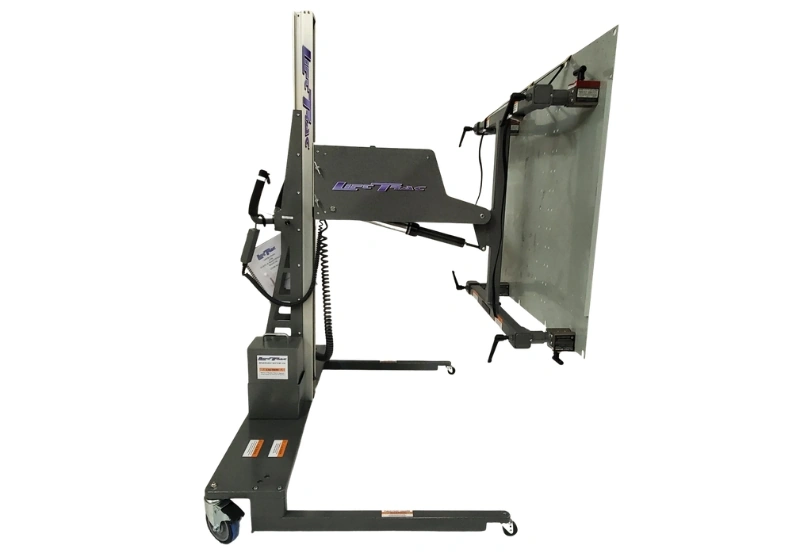
When manufacturers think about automation, they often focus on production equipment. But material handling is frequently one of the biggest opportunities for improvement. Parts need to be moved, lifted, positioned, rotated, stored, transferred, and presented to workstations. If these steps are inefficient, unsafe, or inconsistent, they can reduce the value of the entire production process. Material handling improvements may include:- Lift-assist systems
- Below-the-hook lifting devices
- Industrial carts and transport systems
- Custom positioning equipment
- Part handling fixtures
- Ergonomic workstation support
- Production flow improvements
Engineering Validation Reduces Implementation Risk
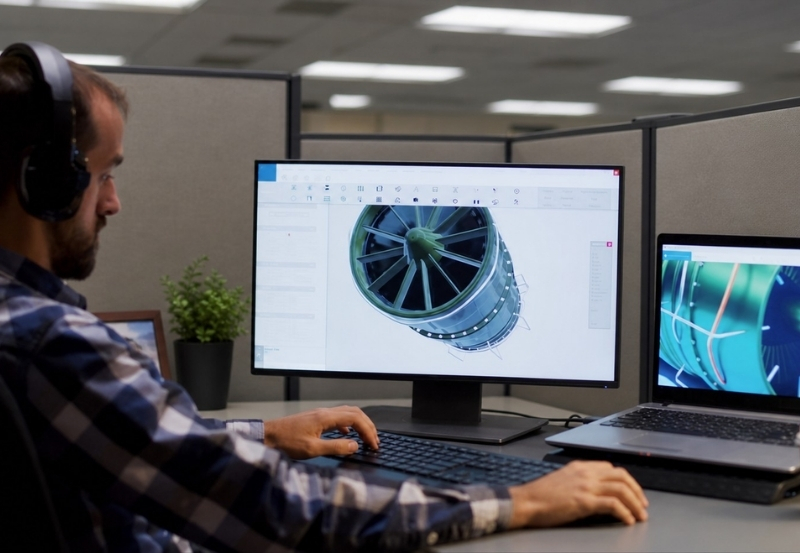
Automation projects often involve equipment, fixtures, frames, lifting devices, and production aids that must perform safely under real-world conditions. That makes engineering validation an important part of the ROI discussion. Finite Element Analysis, load analysis, tolerance review, manufacturability review, and practical design evaluation can help identify potential issues before fabrication or installation begins. Engineering validation can help answer questions such as:- Will the fixture remain rigid under load?
- Will the lifting device perform safely in the intended application?
- Will deflection affect part location or process quality?
- Can the equipment be fabricated efficiently?
- Can operators access the work safely?
- Will the design support inspection, maintenance, and adjustment?
Industrial Automation ROI Requires More Than Equipment
The ROI of industrial automation is rarely determined by the equipment alone. It depends on how well the solution fits the product, process, people, facility, and production goals. A high-performing automation system needs supporting engineering around it. That support may include:- Process review
- Custom tooling and fixture design
- Material handling evaluation
- FEA and structural validation
- Testing equipment
- Design for manufacturability
- Fabrication planning
- Installation and implementation support
Real-World Engineering Makes Automation Practical
Automation is most successful when it is built around the reality of the factory floor. That means understanding how parts are handled, how operators interact with the process, where variation enters the workflow, and what constraints exist in the production environment. It also means designing physical systems that support the automation strategy rather than assuming the technology will solve every issue on its own. ENSER’s case studies show how engineered solutions can support complex manufacturing and handling challenges. Projects involving custom fixtures, lifting devices, production equipment, and manufacturing support demonstrate a consistent theme: practical engineering helps reduce uncertainty before problems reach the production floor. For automation projects, that practical engineering foundation can be the difference between a concept that works in theory and a system that delivers value in production.How Manufacturers Can Improve Automation ROI
Manufacturers considering automation should begin with a readiness review before selecting equipment. Key questions include:- What problem are we trying to solve?
- Is the current process repeatable enough to automate?
- Are parts consistently located, supported, and presented?
- Where are the safety, ergonomic, or quality risks?
- What tooling or fixtures are needed to control the process?
- How will material move into, through, and out of the work area?
- What validation is needed before fabrication or installation?
- How will the system be maintained, adjusted, and supported over time?
The Bottom Line
Industrial automation can deliver significant value, but only when it solves the right problem and is supported by sound engineering.
Robots, AI, smart sensors, and digital systems may be part of the future of manufacturing. But factory-floor ROI still depends on practical fundamentals: repeatability, safety, material flow, tooling, fixtures, validation, and manufacturability.
Before manufacturers invest in advanced automation, they should make sure the process is ready for it.
That starts with engineering.