

Why Materials Testing Matters in Heavy Industries
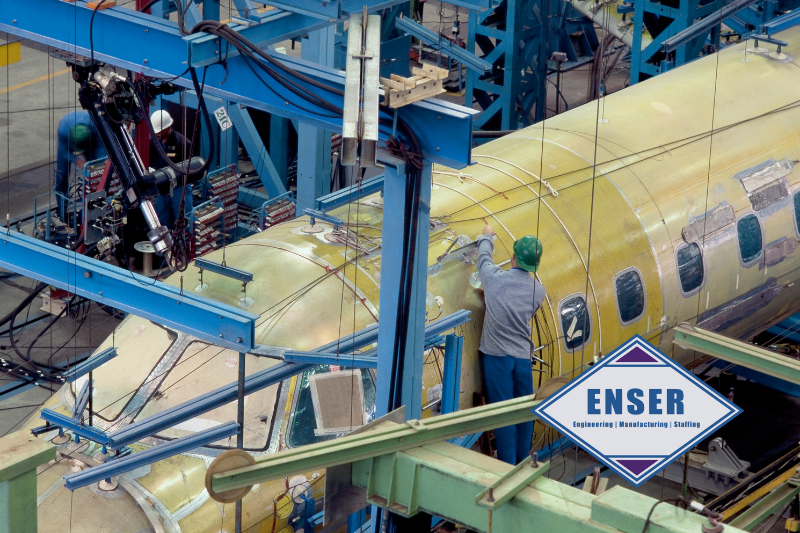
In industries such as aerospace, automotive, defense, and power generation, the integrity and performance of materials are critical. Materials testing ensures that every component can withstand the stresses, pressures, and conditions it will face in real-world applications. Failures can lead to costly downtime, environmental damage, or even loss of life. As these industries continue to advance, the technologies used to test materials must evolve to match new performance standards and manufacturing methods.
Emerging Technologies Transforming Materials Testing
Digital Twin Technology
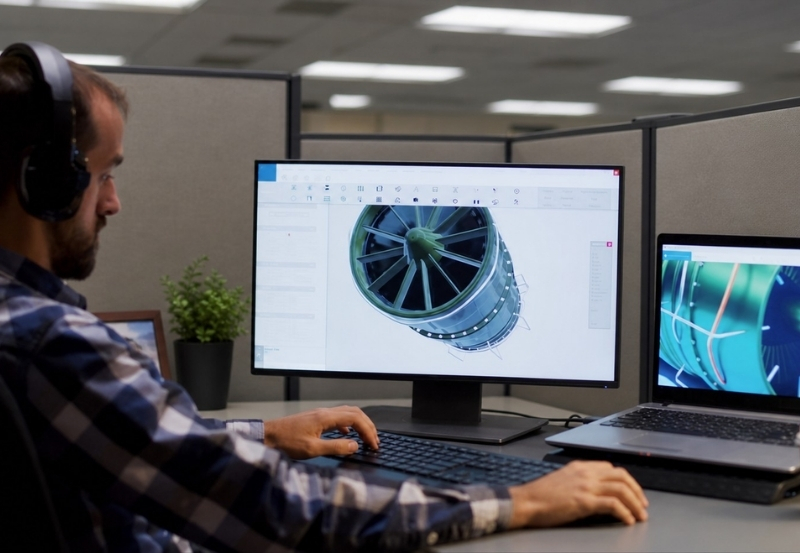
Digital twin technology allows engineers to create precise virtual models of physical components or systems. These models simulate real-world conditions, helping predict how materials behave under different stresses without the need for constant physical testing. Digital twins reduce prototyping costs and accelerate development, providing detailed insight before production even begins.
Automated Testing Systems
Automation has reshaped how materials are tested. Automated systems can perform repetitive or high-precision testing tasks with minimal human intervention, improving accuracy and consistency. For industries where large volumes of components must be tested under tight deadlines, automation ensures reliable results and faster throughput.
High-Resolution Imaging
Advances in imaging technology have improved how materials are inspected and analyzed. High-resolution cameras and scanning tools now provide microscopic views of materials, revealing potential weaknesses before failure occurs. Techniques like 3D X-ray imaging and computed tomography (CT) allow engineers to assess the internal structure of materials in ways that were not possible before.
Artificial Intelligence and Machine Learning
Artificial intelligence (AI) and machine learning are being integrated into materials testing to interpret large data sets faster and more accurately than manual analysis. These technologies detect patterns and anomalies, optimize testing parameters in real time, and generate insights that lead to stronger, more consistent materials.
Environmental Simulation Equipment
Materials often need to perform in demanding or extreme conditions. Modern environmental simulation equipment recreates real-world environments such as high pressure, temperature extremes, and humidity or corrosion exposure. This level of testing ensures materials are ready for the harshest operating conditions found in heavy industries.
The Impact on Tooling and Fixture Design
These advancements in materials testing directly influence how tooling and fixtures are designed. With more accurate test data, engineers can develop tools and fixtures that are stronger, lighter, and more efficient. ENSER’s Automated Hoist Testing System is one example. The system integrates automation and data acquisition to improve test accuracy and reduce manual labor, resulting in safer, faster, and more reliable testing processes.
Challenges in Adopting New Technologies
While these technologies offer measurable advantages, integrating them can present challenges. The cost of upgrading equipment and training personnel can be significant. Adopting new tools also requires specialized expertise to interpret the resulting data correctly. However, the long-term benefits—improved reliability, safety, and product performance—outweigh these initial barriers.
Why Choose ENSER for Tooling and Fixture Solutions
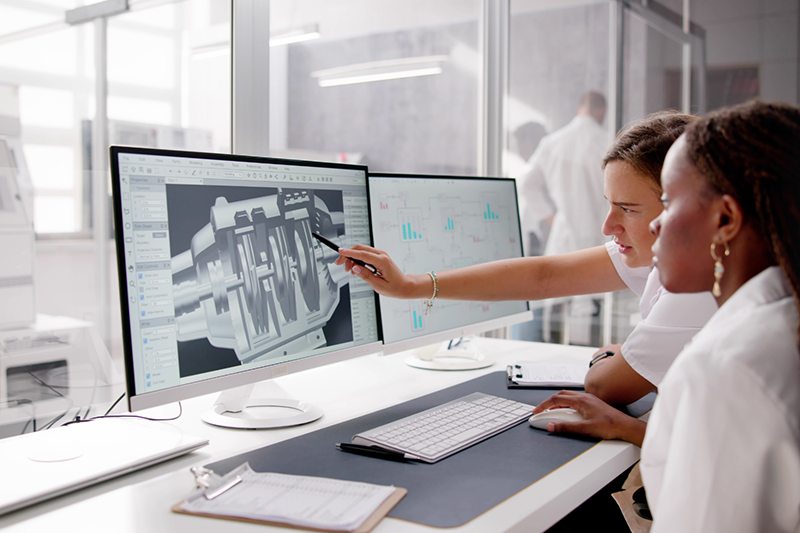
ENSER has decades of experience providing custom tooling and fixture solutions for complex manufacturing and testing environments. Our engineers apply advanced analysis tools, including CAD and FEA simulation, to design durable and precise systems that meet the unique demands of each industry. Whether for aerospace, power generation, or automotive applications, ENSER ensures that every fixture, test system, and process improvement delivers consistent performance and long-term value.