
This article explores why regulatory compliance is essential in the design and operation of hoisting and below-the-hook lifting equipment, emphasizing how standards directly impact safety, reliability, and audit readiness. It highlights ENSER’s compliance-first engineering approach, from FEA-validated designs and proof-load testing to comprehensive certification and traceability documentation.
Streamlining Production with Innovative Jigs and Fixtures
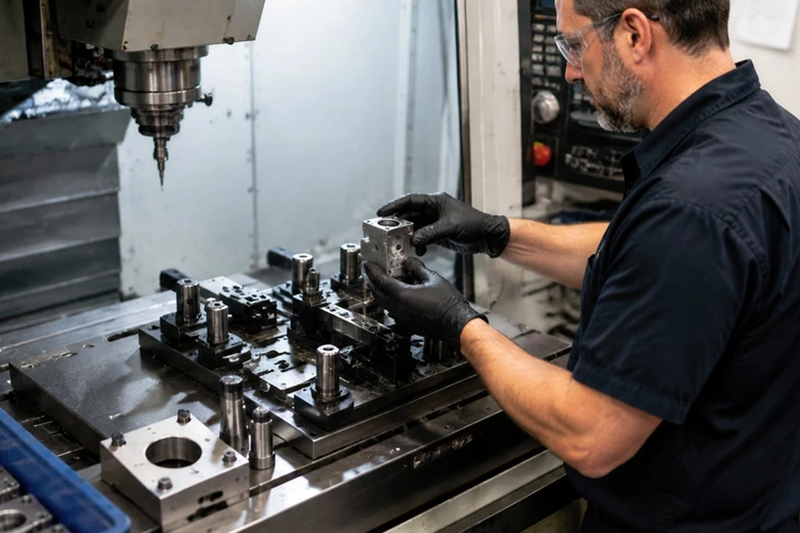
ENSER demonstrates how precision-engineered jigs and fixtures optimize assembly, reduce human error, and accelerate throughput. The post dives into lean manufacturing principles, fixture design best practices, and how proper tooling enhances product consistency. Case studies reveal measurable gains in assembly speed and product quality.
Introduction
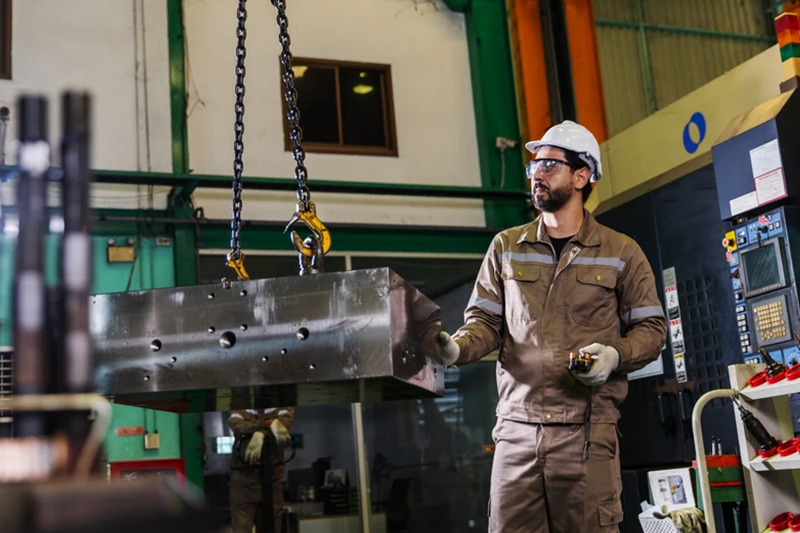
When heavy loads move across your production floor, every lift is a moment of trust in your equipment, your procedures, and your engineering partners. Compliance standards for hoisting equipment aren’t just regulatory checkboxes; they’re the framework that protects workers and safeguards productivity. ENSER has decades of experience designing below-the-hook (BTH) devices that meet or exceed ASME, OSHA, and ANSI standards, helping clients navigate complex safety expectations while maintaining efficiency.
Why Compliance Matters
Failure to adhere to OSHA 1910.179 or ASME B30.20 can result in catastrophic accidents and costly downtime. More importantly, non-compliance undermines worker confidence and brand reputation. Compliance begins with design: ensuring adequate load factors, structural integrity, and safety interlocks. It continues through inspection, testing, and documentation. ENSER’s integrated engineering and fabrication workflow ensures that every device carries the right certifications and traceability records.
Key Regulations Impacting Hoisting Equipment
- ASME B30.20: Covers marking, construction, and testing of below-the-hook lifting devices.
- ASME BTH-1: Defines structural and mechanical design criteria for lifters.
- OSHA 1910.179: Specifies crane and hoist safety practices, including inspection frequency.
ENSER’s Compliance-First Approach
- Engineering Validation: Every design undergoes FEA stress analysis to confirm factor of safety.
- Proof Load Testing: All lifting devices are tested at 125 percent of rated capacity.
- Documentation and Traceability: ENSER provides load charts, certification records, and user manuals.
Case Example
A leading automotive manufacturer approached ENSER to replace outdated lifting fixtures that failed to meet revised BTH-1 standards. ENSER redesigned the entire suite using certified materials, improved weld geometry, and integrated RFID tagging for inspection tracking. The result: zero safety incidents, reduced downtime, and a clear compliance trail during audits.
Benefits
- Reduced liability and increased workplace safety
- Simplified audit readiness
- Longer equipment lifespan through proper design
- Peace of mind knowing every lift meets code
Conclusion
Compliance isn’t just a requirement-it’s an investment in reliability. ENSER’s engineering team delivers hoisting solutions that make safety effortless by design. Partnering with us means knowing every lift meets both your operational and regulatory demands.
Frequently Asked Questions
Ensure Safety and Compliance with Proven Engineering Expertise
Stay ahead of compliance standards with ENSER’s certified engineering support. We help manufacturers meet regulations without compromising performance or productivity.