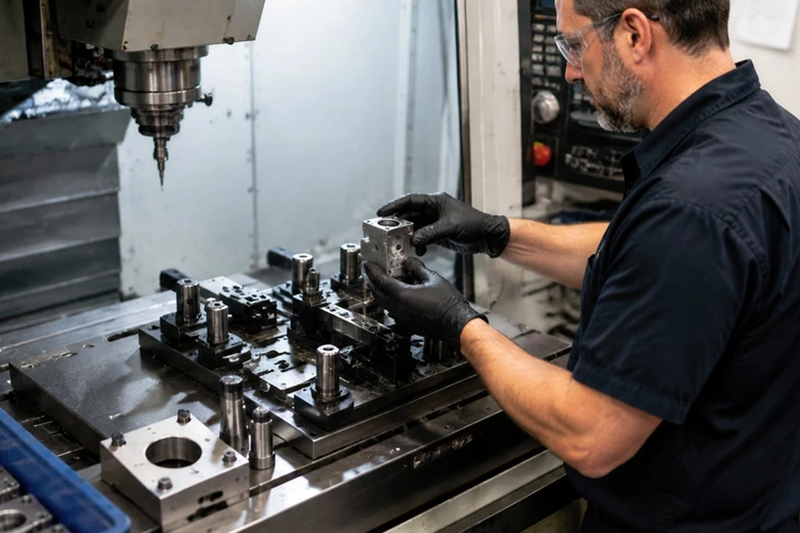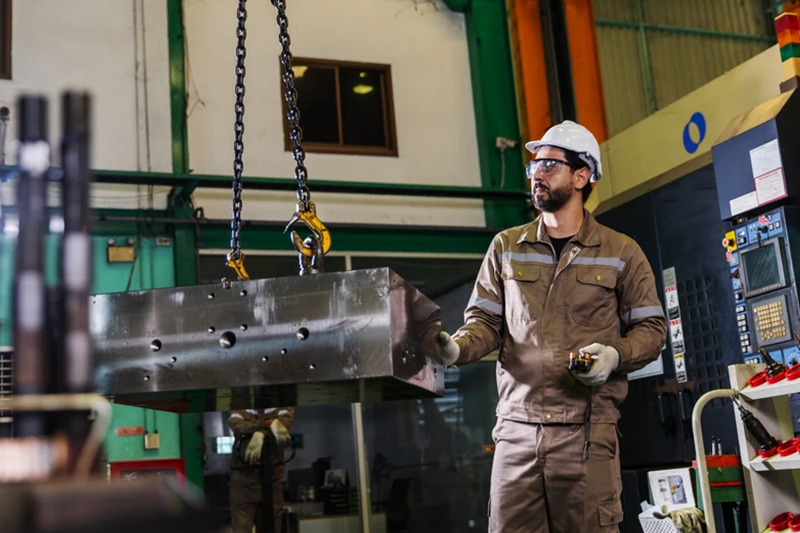


Manufacturing safety extends beyond personal protective equipment and
training programs. Many workplace injuries can be traced back to repetitive
manual material handling tasks performed throughout the workday. This article
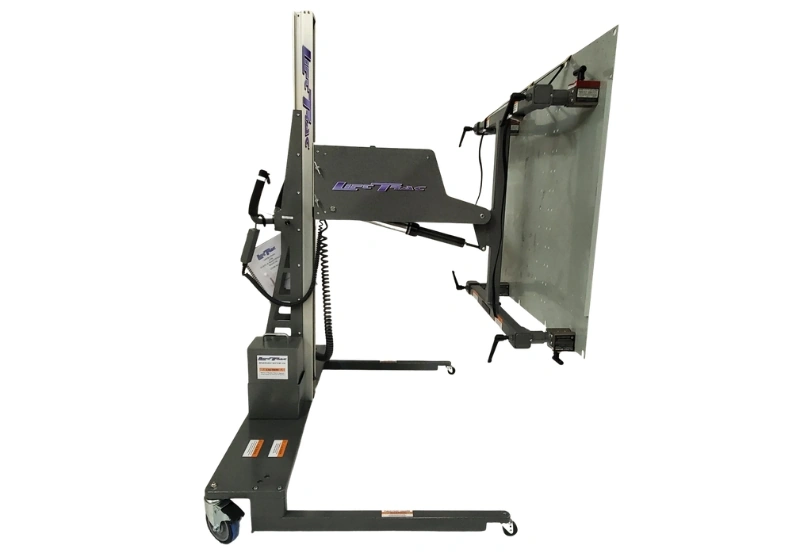
explores the risks associated with manual material handling, the benefits of
ergonomic lifting equipment, and how customizable material handling solutions
can help manufacturers improve workplace safety while supporting productivity
and operational efficiency.
Artificial intelligence has rapidly evolved from an emerging technology into a practical engineering tool. Across mechanical engineering departments, AI is beginning to support product design, CAD workflows, documentation, manufacturing support, and project execution. Its greatest value is not in replacing engineers, but in helping them work more efficiently, explore ideas faster, and spend more time solving complex problems.
That distinction matters. Engineering still depends on judgment developed through experience. Senior engineers understand why a design that looks correct on a screen may be difficult to manufacture, assemble, maintain, or justify economically. They recognize how a seemingly small design decision can affect tooling, tolerances, installation, safety, cost, and long-term performance. AI can process information quickly, but it does not replace the practical knowledge gained from years of solving real-world engineering challenges.
AI Meets the Modern CAD Environmentt
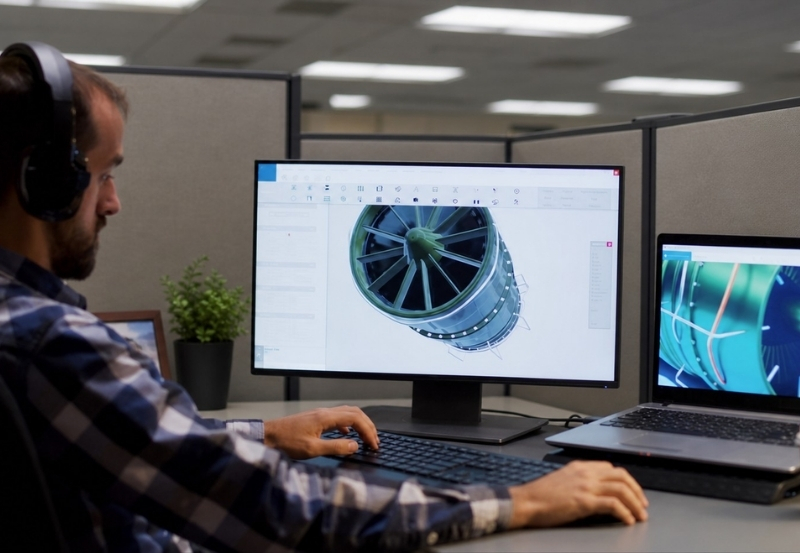
For mechanical design teams, one of the most relevant developments is the integration of AI and automation into the tools engineers already use. Platforms such as Creo and SOLIDWORKS continue to expand capabilities that can support design exploration, simulation, such as Finite Element Analysis (FEA), optimization, repetitive task automation, and more efficient engineering workflows.
These capabilities can help engineers evaluate alternatives and move through early design iterations more quickly. In a tooling or fixture project, for example, AI-assisted workflows may help accelerate concept development, organize design requirements, identify potential manufacturability concerns, or support documentation. The engineer, however, still determines whether the proposed solution will work within the realities of the customer's equipment, operators, processes, space constraints, safety requirements, and production goals.
For companies like ENSER, that distinction reflects the work we do every day. Our expertise is not simply producing a part or creating a CAD model. It is solving manufacturing challenges through custom engineering solutions, including tooling, fixtures, assembly aids, lifting and material handling devices, design-to-print programs, and manufacturing process improvements. AI can make portions of that work faster, but successful engineering still requires understanding the complete application.
From Concept Generation to Engineering Solution
A practical example of this philosophy recently played out during an internal project at ENSER. As our team developed concepts for new exterior signage, AI became a valuable brainstorming and visualization tool. Multiple layouts, styles, and visual concepts could be explored quickly, bringing an additional creative perspective to a team whose primary expertise is mechanical engineering rather than graphic design.
What ultimately determined the final direction, however, was not AI. Our team evaluated the concepts based on visibility, manufacturability, branding, installation considerations, durability, and how the finished sign would represent ENSER. AI expanded the range of possibilities and accelerated early concept development, while human experience and engineering judgment guided the solution.
The same model can apply to customer engineering projects. AI may help an engineer generate initial tooling and fixture concepts, compare approaches, review requirements, organize technical information, or prepare preliminary documentation. Those outputs become starting points, not final answers. Experienced engineers must still validate assumptions, account for real-world constraints, and determine whether a concept can be manufactured, installed, operated, and maintained successfully.
Supporting Engineers at Every Experience Level
AI also creates opportunities for both experienced and early-career engineers. Younger engineers can use it to investigate unfamiliar manufacturing methods, review technical concepts, compare potential approaches, and better prepare questions for senior team members. Used correctly, it can accelerate learning without replacing mentorship.
At the same time, organizations must avoid creating dependence on AI-generated answers. Engineering competence requires understanding why a solution works and recognizing when an assumption may be wrong. The ability to critically evaluate AI output will become increasingly important as these tools become more deeply integrated into engineering workflows.
For experienced engineers, AI can reduce time spent on repetitive administrative tasks such as preparing first drafts of reports, organizing meeting notes, comparing revisions, summarizing information, and documenting engineering changes. That creates more time for design reviews, customer collaboration, testing, problem-solving, and mentoring the next generation of engineers.
Preserving Tribal Knowledge
Another significant opportunity is the preservation of institutional, or "tribal," knowledge. Manufacturers and engineering organizations often rely on experienced professionals who carry decades of lessons that were never formally documented. As these employees retire, companies risk losing valuable knowledge about past designs, manufacturing challenges, customer requirements, and the reasoning behind engineering decisions.
AI can help organize historical project information, capture design rationale, make technical documentation easier to search, and connect lessons from previous projects to new challenges. It cannot replace the people who developed that knowledge, but it can help organizations preserve and share more of what they know.
The Future Is AI-Augmented Engineering
The mechanical engineering department of the future will likely be AI-augmented rather than AI-driven. Routine documentation, research, design iterations, simulation support, and project organization may become increasingly automated. Engineers will be able to spend more time evaluating alternatives, validating assumptions, collaborating with customers, and developing solutions for complex manufacturing challenges.
The organizations that benefit most from AI will not necessarily be those with the most software. They will be the ones that combine experienced engineering leadership, strong fundamentals, disciplined processes, modern design tools, and thoughtful use of AI.
At ENSER, that means continuing to embrace technologies that help our engineers work more efficiently while keeping engineering expertise at the center of every solution. Whether the challenge involves custom tooling, fixtures, assembly aids, material handling equipment, manufacturing support, or a complete design-to-print program, technology is most valuable when it helps experienced people solve real problems better.
AI can generate possibilities. Engineers turn those possibilities into solutions.
Create a Safer Material Handling Process
Facing a manufacturing or product development challenge? ENSER's mechanical engineering team helps companies move from concept to practical, manufacturable solutions through custom engineering, tooling and fixture design, manufacturing support, and design-to-print services.