Automation Works Better When the Process Is Ready
Automation projects often begin with a technology discussion. A manufacturer considers a robot, automated cell, new machine, or software platform and starts asking what equipment should be purchased.
But the more useful first question is often simpler: is the current process ready to be automated?
If parts are not located consistently, operators rely on workarounds, fixtures require constant adjustment, or material is difficult to move into position, adding automation may not solve the underlying problem. It can make those weaknesses more expensive and harder to correct.
Manufacturing readiness means understanding the physical process before selecting the technology. Tooling, fixtures, material handling, design validation, and the way people interact with the work all influence whether an automation project can perform reliably in production.
Start With Repeatability
Automation depends on repeatable inputs. A robot or automated machine expects the part, fixture, and work area to behave in predictable ways. When the process varies from cycle to cycle, the equipment has to compensate for that variation or production stops.
This is why manufacturers should examine the current process before automating it. How is the part located? What keeps it from moving? Does its orientation change? Are operators making small adjustments that are not documented? Are worn tools, inconsistent components, or changing setup methods affecting the result?
Those details may seem minor in a manual operation because experienced employees learn how to work around them. Automation exposes them. A process that depends on someone knowing how to nudge, align, hold, or reposition a part is not yet fully defined.
Tooling and Fixtures Create the Physical Foundation
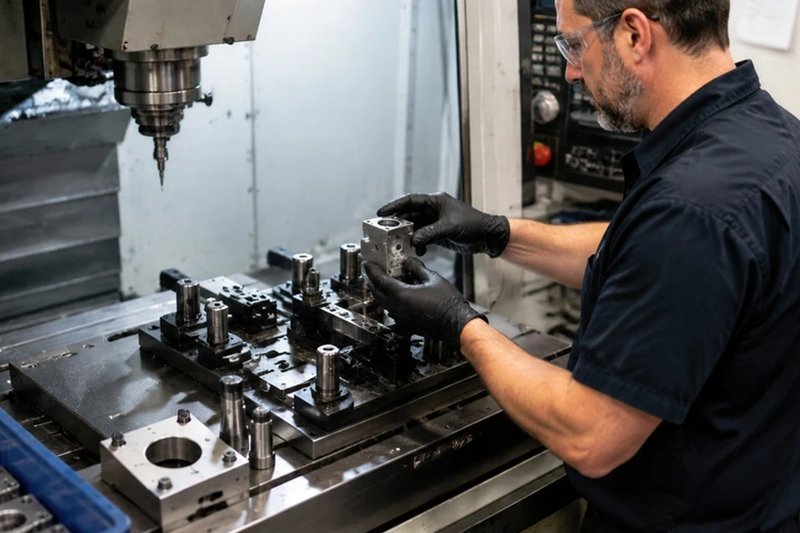
Custom tooling and fixtures are often the bridge between a variable manual process and a repeatable automated one. They establish where the part belongs, how it is supported, what surfaces remain accessible, and how consistently the operation can be repeated.
A good fixture must do more than hold a component. It may need to support welding, machining, inspection, fastening, assembly, or robotic access. It also has to consider loading and unloading, maintenance, adjustment, operator access, and how the fixture will be fabricated.
When these requirements are addressed early, tooling becomes part of the automation strategy rather than an accessory added after the equipment has already been selected.
For some manufacturers, improving the fixture may solve enough of the original problem that full automation is no longer the immediate priority. For others, it creates the stable process needed for a later automated phase.
Material Handling Is Part of Automation Readiness
Parts still have to enter, move through, and leave an automated process. That makes material handling another important readiness question.
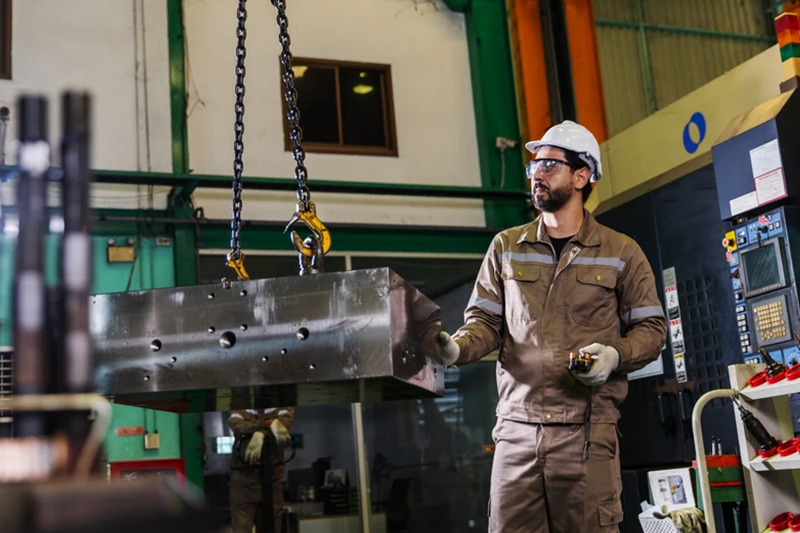
Heavy, awkward, fragile, or difficult-to-position components can create bottlenecks even when the primary operation is automated. A machine may complete its cycle quickly while an operator struggles to load the next part. A robot may need a component presented in a specific orientation. A fixture may improve accuracy but make the assembly more difficult to move.
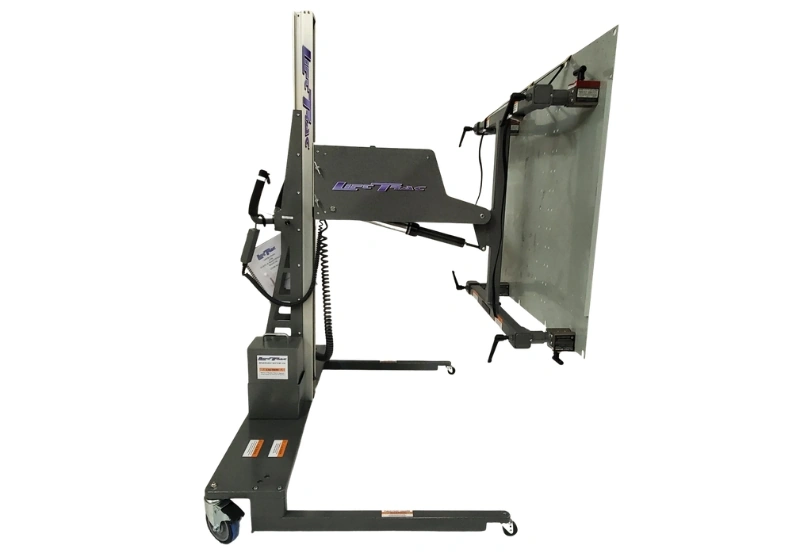
Engineered lifting devices, lift assists, carts, positioning equipment, turn-over fixtures, and other handling solutions can help connect the steps of the process. The goal is not automation for its own sake. The goal is controlled, repeatable movement that supports the production requirement.
Validate the Design Before Fabrication
Once tooling, fixtures, handling equipment, or custom machinery are defined, manufacturers still need confidence that the design will perform as intended.
Engineering review and analysis can identify concerns before fabrication. Depending on the application, that may include evaluating load paths, stress, deflection, rigidity, clearances, interfaces, or how the equipment will behave under expected operating conditions.
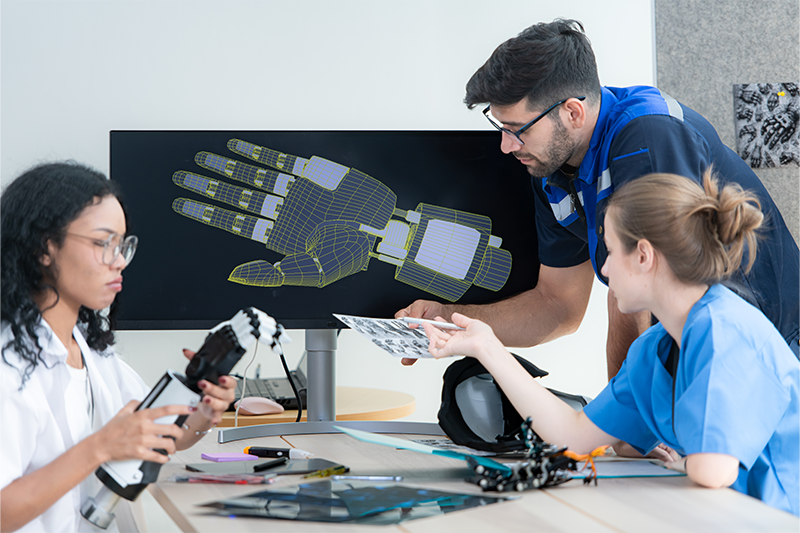
Finite Element Analysis can support this work when structural performance needs to be evaluated before a physical system exists. Physical testing can then help confirm how the completed equipment performs under real materials, fabrication methods, assembly conditions, and operating loads.
Validation is most valuable when it is treated as part of development rather than a final check after the equipment is built.
Engineering and Manufacturing Need to Stay Connected
Automation readiness is not only a design issue. The equipment eventually has to be fabricated, assembled, inspected, installed, maintained, and used in production.
A fixture that is difficult to fabricate can create delays. A custom machine that cannot be serviced easily may create downtime later. A handling device that works in CAD but interferes with surrounding equipment can force changes during installation.
Keeping engineering and manufacturing connected helps these practical issues surface earlier. Designers can consider manufacturability and assembly while the design is still flexible, and manufacturing teams can raise questions before they become field modifications.
This connection is especially useful for custom equipment, tooling, lifting devices, test systems, and one-off production solutions where the design and the build cannot be treated as separate problems.
A Practical Readiness Review Before Automation
Before selecting automation equipment, manufacturers should be able to answer a few basic questions about the process.
- What specific production problem are we trying to solve?
- Is the current process repeatable enough to automate?
- Are parts located and supported consistently?
- What tooling or fixtures control the operation?
- How will material move into, through, and out of the work area?
- Where do operators currently compensate for process variation?
- What design analysis or testing is needed before fabrication?
- How will the equipment be assembled, maintained, and adjusted?
The answers help define whether the next investment should be automation, better tooling, improved handling, additional validation, or a combination of those approaches.
The Bottom Line
Manufacturing automation is most effective when it is built on a process that is already understood and controlled.
Tooling establishes repeatability. Material handling controls how parts move and are presented. Engineering analysis and testing reduce uncertainty before fabrication. Manufacturing knowledge helps make sure the solution can actually be built, installed, and supported.
For manufacturers considering automation, the best first step may not be choosing the equipment. It may be identifying the physical process issues that automation will depend on and solving those first.
FAQs