Why Physical Work Is Becoming an Automation Issue
Automation is often described as a technology decision. A company buys a robot, adds software, or installs a new machine. Then the process is expected to run faster. In real manufacturing work, it is usually not that simple. Many good automation projects start with a more basic question: what work is becoming too hard, too slow, too risky, or too dependent on one or two experienced people? That question matters right now. Many manufacturers are trying to protect schedules while labor remains tight. They also have to manage rising costs, long lead times, and pressure to move products faster. At the same time, many bottlenecks are physical. They involve lifting, positioning, reaching, turning, loading, unloading, or holding a part in place. That is where automation and engineered handling meet.Where Engineered Handling Fits
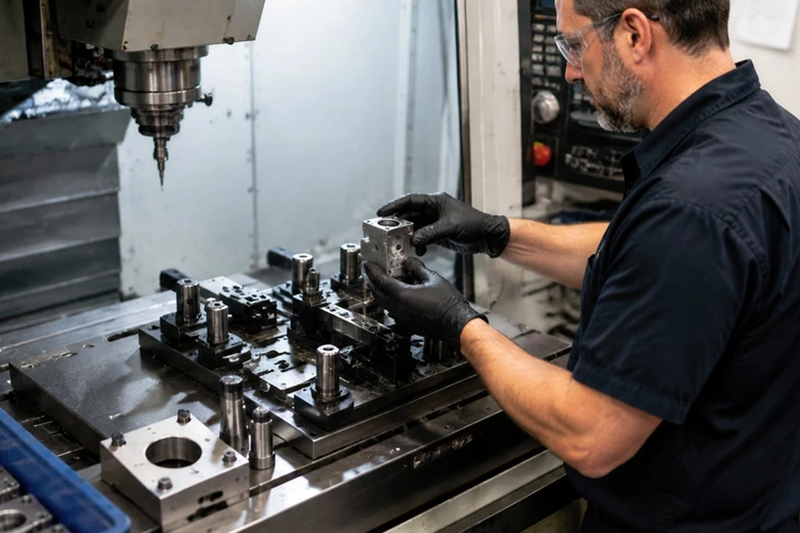
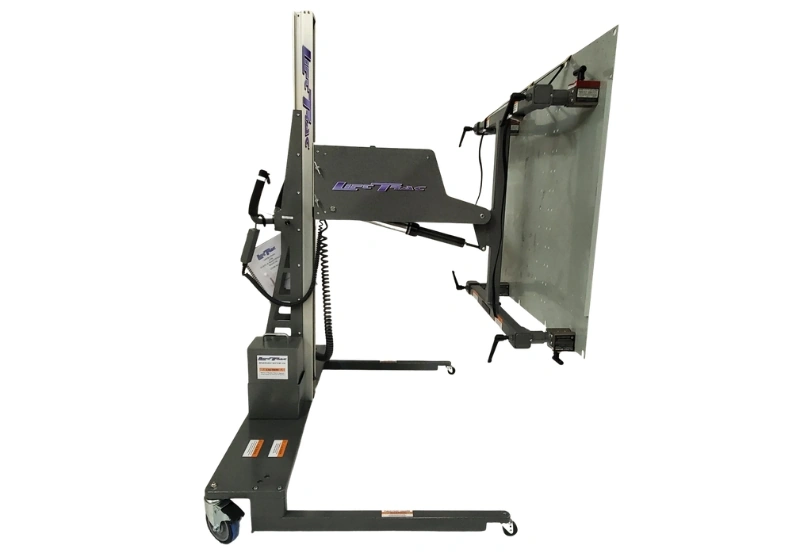
Not every automation project needs to begin with a robot. Sometimes the better first step is a lift assist, a custom fixture, a handling device, a workstation change, or a tooling improvement. These projects may look simple compared with a full robotic cell. But they often solve the problem that is actually hurting production. If a part is too heavy to move safely, automation may begin with a lifting device. If an operator has to line up a part by feel, automation may begin with a fixture that locates the part the same way every time. If a job requires awkward reaching or twisting, automation may begin with a system that brings the work to the person instead of forcing the person to work around the part. These are not small issues. They affect output, quality, safety, staffing, and training. A process that depends on strength or personal experience is harder to repeat. It is also harder to protect when demand rises, when someone is out, or when a new employee has to learn the task. Recent market signals point in the same direction. Robot orders in North America have continued to grow, and demand is spreading beyond traditional automotive projects. Warehouse automation is also getting more attention as companies respond to labor cost, speed expectations, and supply-chain pressure. The larger trend is clear: companies want to reduce their dependence on difficult manual work. For industrial companies, that does not mean every process should be fully automated. It means every difficult handling step deserves a closer look.Start With the Problem, Not the Robot
The best starting point is to separate the problem from the technology. A robot may be the right answer. So might a lifting beam, an end effector, a powered cart, a fixture, a rotating table, or a redesigned workstation. The right choice depends on the part, the load, the motion, the work area, the operator, the safety needs, and the cost of downtime. Engineering judgment matters because handling problems are rarely isolated. A device that lifts a part also has to clear nearby equipment. A fixture that improves repeatability also has to allow room for welding, inspection, fastening, or maintenance. A workstation that reduces strain still has to support the pace of production. A tooling change that helps one step cannot create a new problem in the next step. This is why the early phase of a project matters so much. Before design work begins, the team needs to understand the work. What is being moved? How often does it move? Who touches it? What can go wrong? What improvement would matter most? The goal may be to reduce injury risk. It may be to shorten cycle time. It may be to improve quality, make training easier, or reduce dependence on one experienced operator. It may also be to prepare for more automation later. Those answers shape the design. They also help avoid a common mistake: treating automation as the goal. Automation is only valuable when it improves the work. If the process is poorly understood, automation can make a bad process faster, more expensive, and harder to fix. If the process is well understood, even a modest engineered solution can create a strong return.What This Means for ENSER and LiftTrac Customers
For ENSER and LiftTrac customers, this is an important conversation. Many industrial teams do not need to be convinced that labor is tight or that physical work is hard. They already know. What they need is help turning that pressure into a practical project. That may mean documenting the current handling sequence. It may mean finding the motion that causes delay or strain. It may mean designing a lifting device, fixture, support frame, or custom tool. It may mean using analysis or testing to confirm that the solution can handle real loads. It may also mean planning a future phase where a partly manual process becomes more automated.The Bottom Line
The opportunity is not just to replace people. The better opportunity is to remove the parts of the job that make work unsafe, inconsistent, or hard to staff. That creates a better process for the people who remain in it. Good industrial lifting automation starts with respect for the work. It looks closely at the task, the operator, the part, and the production area. Then it asks what should be lifted, guided, located, guarded, tested, or redesigned. For many manufacturers, the path to automation will not begin with a dramatic transformation. It will begin with one difficult task that everyone already knows is a problem. That is a good place to start.FAQs
Is industrial lifting automation only about robots?
No. Industrial lifting automation can include lift assist devices, custom fixtures, powered handling equipment, rotating tables, end effectors, workholding tools, and workstation changes. A robot may be part of the answer, but many useful projects begin with engineered support for a difficult physical task.
How do lifting and handling improvements help with labor availability?
They reduce dependence on strength, tribal knowledge, and highly experienced operators. When a task is easier, safer, and more repeatable, it is often easier to train new employees and maintain production when staffing changes.
When should a company consider a custom lifting or handling device?
A custom device is worth considering when a task involves heavy parts, awkward motion, repeated lifting, difficult alignment, safety concerns, inconsistent quality, or delays caused by manual positioning.
How does engineering analysis support lifting and handling projects?
Engineering analysis can help confirm that a device, fixture, or structure is appropriate for the expected loads and use conditions. It can also help identify design risks before fabrication or installation.
What is the best first step before automating a manual process?
Start by documenting the current task. Look at the part, motion, frequency, operator interaction, safety concerns, cycle time, quality issues, and what improvement would create real value. The best technology choice comes after the work is understood.